


Kitchenware Sample Approval Checklist for Importers: From First Sample to Production Reference

Short answer: This kitchenware sample approval checklist starts with a named product specification and version. Record what was received, measure critical features, try the product in its intended use, inspect the finish and packaging, resolve deviations in writing, and retain an identified reference sample. A good-looking sample alone is not evidence that the later production lot will match it or meet the destination market’s food-contact requirements.
This checklist starts after a buyer has received a physical sample. If the product, customization, quantity and packaging have not yet been defined for a quotation, use our private-label kitchenware RFQ checklist first. At approval stage, the question changes from “What should the supplier quote?” to “Does this exact sample match the agreed product, and what evidence will production be compared with?”
What does sample approval actually authorize?
A written sample approval authorizes a defined reference for the next agreed step, usually preparation for production. It should identify the product SKU or project code, drawing or specification revision, sample date, packaging artwork revision and the buyer’s decision. It should also say whether approval is unconditional or depends on a listed correction.
A stock catalog sample can demonstrate the general product direction. A customized sample can show a logo, color or component change. A pre-production sample should represent the construction and presentation intended for the order. Do not label an early stock sample a “golden sample” when materials, artwork or assembly still need to change.
Sample approval does not replace incoming or final-lot inspection. A retained reference helps the parties compare appearance and construction, but production quality still needs its own agreed inspection plan.
Create a traceable sample record before testing
Give each received sample a simple record that another team member can use without guessing. Include:
- Project code, supplier contact, product name and current SKU or proposed SKU.
- Sample type and quantity received, with receipt date and visible sample label.
- Specification and drawing revision; material and finish descriptions as supplied.
- Packaging artwork, barcode and instruction-sheet revision, if included.
- Destination market and intended food-contact use, when relevant.
- Photos of the item, its markings, packaging and any visible defects.
- Reviewer, date, measurement method, results and final disposition.
Keep the written specification alongside the sample. When a supplier sends a replacement, give it a new version rather than silently replacing the earlier evidence. A photo-only approval can miss weight, fit, edge feel and functional problems.
What should a buyer inspect on a kitchenware sample?
The exact tolerances and test methods belong in the agreed specification. The table below is a review framework, not a claim that every product requires every test.
| Review area | Practical check | Record to keep |
|---|---|---|
| Identity and construction | Compare component count, material descriptions, assembly and visible markings with the approved specification. | Revision reference and labeled photos |
| Critical dimensions | Measure features that affect grip, fit, use, packing or shelf presentation with an appropriate tool. | Actual values, units, method and agreed tolerance |
| Function | Perform a repeatable task suited to the product and intended use. Note the setup so it can be repeated. | Pass/fail observations and photos or video where useful |
| Finish and workmanship | Check burrs, sharp edges where unintended, surface defects, color consistency and joint quality. | Defect descriptions with location and severity |
| Cleaning and care | Check that the product can be cleaned as instructed and that care wording matches the actual construction. | Care-copy revision and observations |
| Branding and retail pack | Compare logo position, print, barcode, claims, inserts, protection and carton identification with approved artwork. | Artwork revision and pack photos |
| Documentation | Match any material or food-contact evidence to the exact item and intended market. | Document name, issuer, date, scope and product link |
Avoid approving with a vague message such as “looks okay.” For a dimension, record the value and tolerance. For a functional check, record the action and result. For appearance, use close-up photographs under consistent lighting and describe what is acceptable.
Apply the checks to real product categories
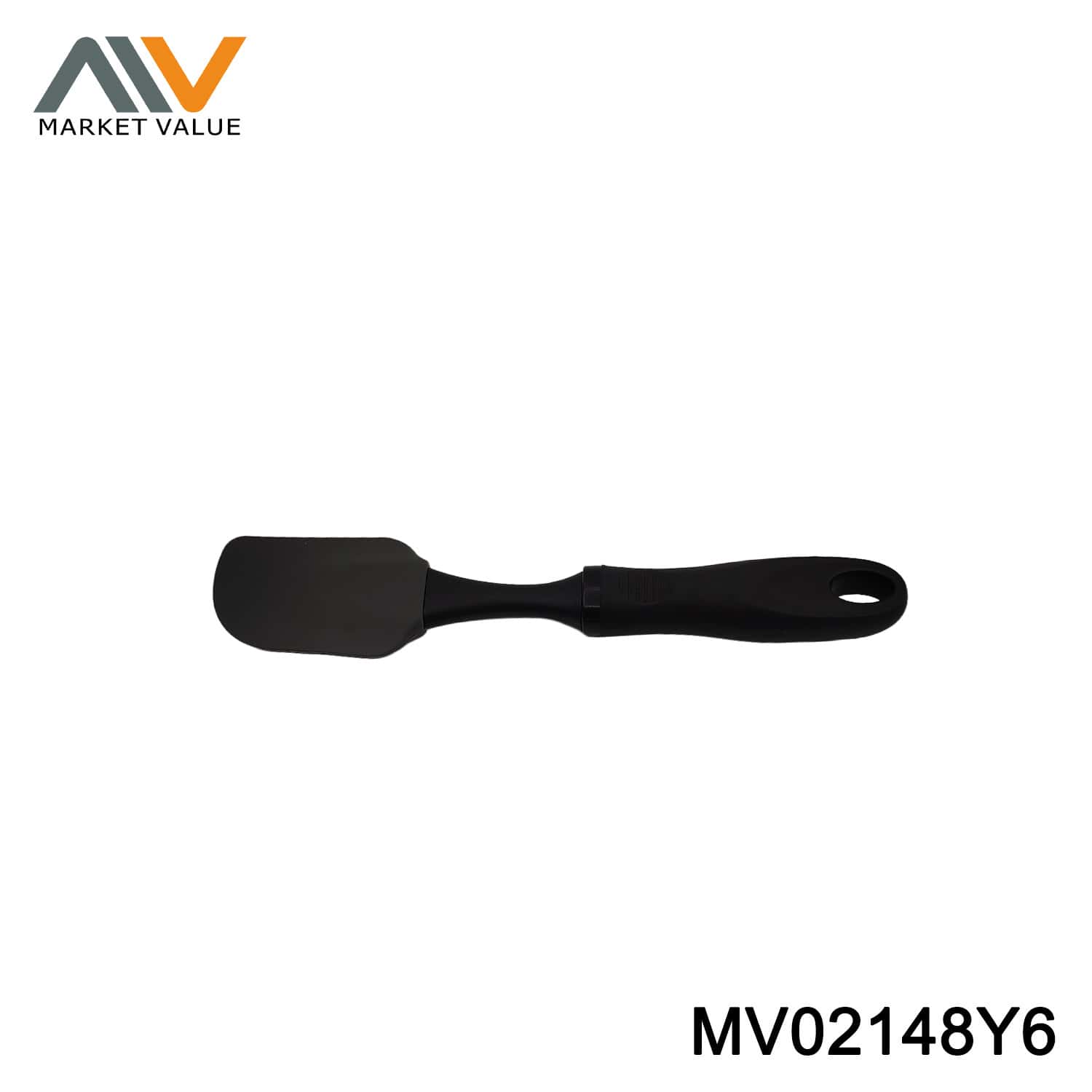
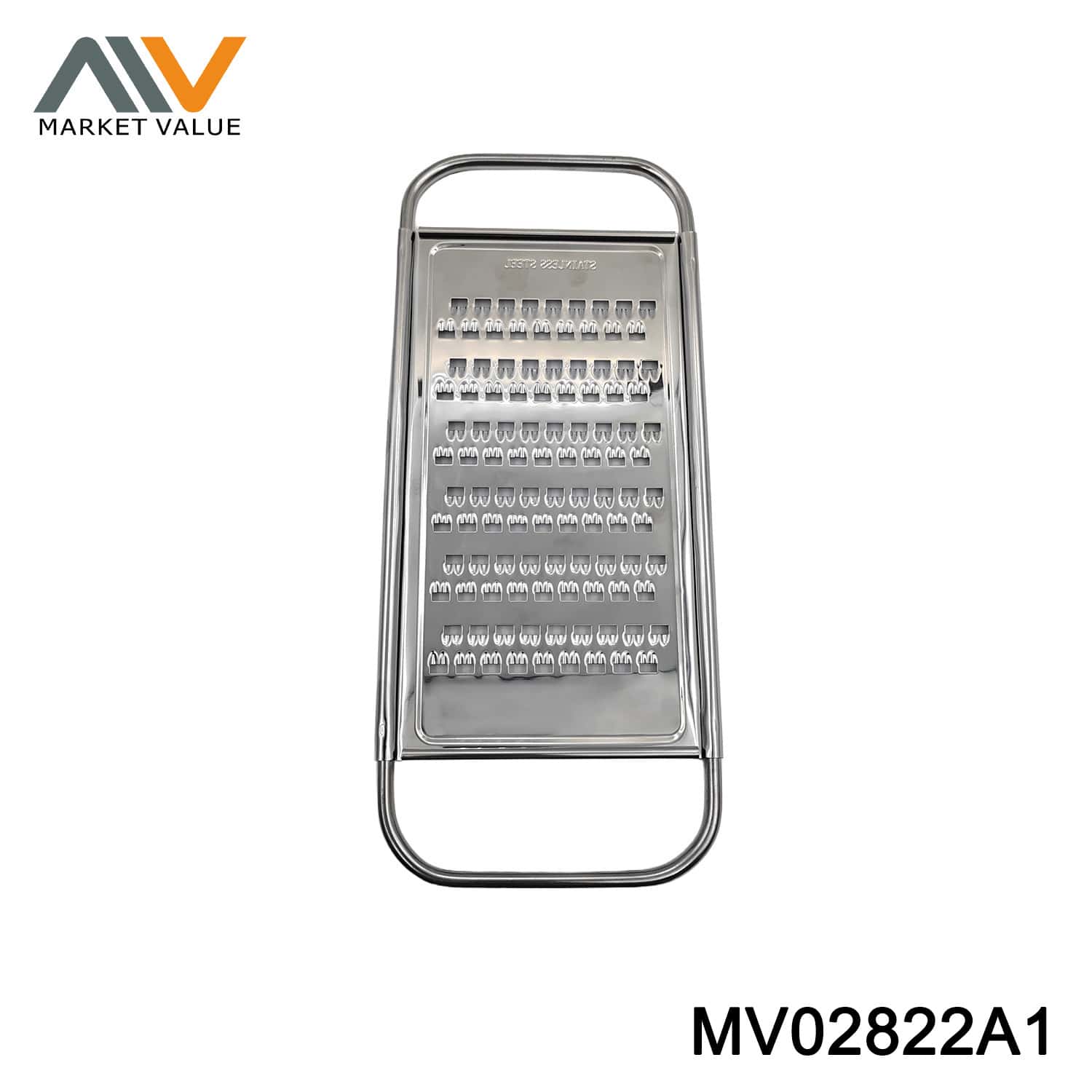
The following Marketvalue catalog products illustrate how the checklist changes by item. Their public listings identify the products; they are not records of tests performed on those units.
Approve the packaging as a separate sample component
A product can function well yet arrive with a wrong barcode, unapproved claim or inadequate protection. Compare the physical pack with the final artwork file and the agreed pack-out method. Check product orientation, retention, insert placement, legibility, carton marks and whether the item rubs against or punctures its packaging during normal handling.
Photograph each panel and the opened pack. Record the artwork revision and the sample’s physical packing configuration. If packaging is still a mock-up, approve the product and packaging separately, and leave packaging approval open until a representative proof is reviewed.
Match food-contact evidence to the exact use and market
Visual sample approval and regulatory review answer different questions. The European Commission’s food-contact materials overview explains that materials placed on the EU market must comply with Regulation (EC) No 1935/2004. The US FDA’s guidance on food-contact components emphasizes the identity of the substance, its specifications and limitations on conditions of use.
For a product intended to touch food, ask which components actually contact food, what use conditions are intended, and which documents support those exact components and uses in the destination market. A general “food grade” statement, an unrelated report or a document for another material is not a substitute for that review. The buyer and supplier should resolve any missing or mismatched evidence before making a compliance claim on packaging.
Decide: approve, approve with actions, or reject
Use a disposition that tells the supplier what happens next:
- Approve: The sample matches the agreed specification and the required evidence is complete for the decision being made. Identify the approved version and retained physical sample.
- Approve with defined actions: List each correction, owner and verification method. State clearly whether production may begin before those actions close. Do not let “conditional” hide a change to a safety-critical feature or required market evidence.
- Reject and resample: Record the defects and request a revised sample when the difference affects function, construction, branding, packaging or the intended claim.
Send one consolidated approval record to the supplier. If engineering, buying and brand teams review different aspects, capture their decisions in that record. A verbal approval or mixed messages in separate chat threads make later disputes harder to resolve.
Retain a production reference and control changes
Label the approved physical sample with the project code, product revision, approval date and sign-off reference. Keep the approved specification, artwork, photographs and decision record together. If the buyer and supplier each retain a sample, confirm that both represent the same version.
After approval, treat a material substitution, mold change, handle revision, logo change or packaging revision as a new decision point. Ask what changed, why it changed, whether it affects function or compliance, and what new evidence is needed. Reapprove the changed feature before accepting it as the production reference.
A retained sample is a comparison tool, not a statistically valid acceptance plan for a shipment. If the purchase order calls for lot inspection, agree the inspection timing, defect definitions and sampling method separately. ISO 2859-1:2026 describes AQL-indexed sampling schemes for lot-by-lot inspection; it is distinct from signing off one development sample.
Copy-ready approval record
Use this compact record with the physical sample and specification:
| Field | Entry |
|---|---|
| Product / SKU / project | [Identify the exact item] |
| Sample ID and date received | [Label and receipt date] |
| Specification / drawing revision | [Version and date] |
| Artwork / packaging revision | [Version and date, or not applicable] |
| Critical measurements and functional checks | [Results against agreed criteria] |
| Material and market documentation | [Documents checked and remaining gaps] |
| Deviations and corrective actions | [Issue, owner, deadline and recheck method] |
| Decision and production permission | [Approve / conditional / reject; explicit start condition] |
| Retained reference location and reviewers | [Where it is held and who signed] |
For help identifying a starting SKU or discussing a revised sample, see Marketvalue’s OEM/ODM service and request a wholesale quote with the exact product and intended change. Confirm current specifications and sample terms with the team for each project.
FAQ
Is a stock sample enough to approve mass production?
Only if it truly represents the agreed production product and pack. A stock sample is usually useful for choosing a direction, while a customized or pre-production sample is needed to approve changes in material, finish, branding or packaging.
What is a golden sample in kitchenware sourcing?
It is an identified, approved physical reference retained with the written specification and revision history. It helps compare appearance and construction later, but it does not replace product-specific testing or lot inspection.
Can a buyer approve the product while packaging remains open?
Yes, when the decision record states that the product approval is separate and production or packing cannot proceed past the agreed point until a representative packaging proof is approved.
Does a food-contact test report approve every product made from the same material?
No. Review the report’s product identity, components, test conditions, market and scope against the exact item and intended use. Ask for clarification or updated evidence when they do not match.